(LAB๐ง ) ์ผ๋ณธ ์ฑ๊ธ๋ง์ ํ์ค โ ๋น๊ณค์จ 44.5%, ์์ก๋น 30%, ๊ทธ๋ฐ๋ฐ ์ ๋น๋นํ ๊น
๐ฐ๐ท ์ผ๋ณธ ์ฑ๊ธ๋ง์ ํ์ค โ ๋น๊ณค์จ 44.5%, ์์ก๋น 30%, ๊ทธ๋ฐ๋ฐ ์ ๊ทธ๋ ๋ค์ ๋น๋นํ ๊น
๐บ๐ธ The Reality of Japanese Single Mothers โ 44.5% Poverty, 30% Child Support, and Why They Still Stand Tall
๐จ๐ณ ๆฅๆฌๅไบฒๅฆๅฆ็็ๅฎๅคๅข โ 44.5%็่ดซๅฐ็ใไธ่ถณ30%็ๆๅ ป่ดน๏ผไธบไฝๅฅนไปฌไพ็ถไปๅฎน
๐ซ๐ท La rรฉalitรฉ des mรจres cรฉlibataires au Japon โ 44,5 % de pauvretรฉ, 30 % de pensions, et pourtant debout
๐ช๐ธ La realidad de las madres solteras en Japรณn โ 44,5 % de pobreza, 30 % de pensiones y aun asรญ de pie
์ผ๋ณธ ๋งค์นญ์ฑ์ ๋๊ธฐ๋ค ๋ณด๋ฉด ์ ๋ ๋์ ๊ฑธ๋ฆฌ๋ ํ๋กํ์ด ์์ต๋๋ค. ํ๋กํ ์ฌ์ง์ ๋จ์ ํ๋ฐ ์๊ฐ๊ธ ํ ์ค์ “์์ด๊ฐ ์์ด์”๋ผ๊ณ ์ ํ ์๋ ์ฌ์ฑ๋ค์ด์์. ํ๊ตญ์์ ์จ ๋ถ๋ค์ ์ฌ๊ธฐ์ ํ ๋ฒ ๋ฉ์นซํฉ๋๋ค. ์ผ๋ณธ์ ์ ์ด๋ ๊ฒ ์ฑ๊ธ๋ง์ด ์ฑ์ ๋ง๊ณ , ์ ์ด๋ ๊ฒ ๋น๋นํ ๊ฑธ๊น. ์ค๋์ ๊ทธ ๊ถ๊ธ์ฆ์ ํต๊ณ์ ์ ๋, ๊ทธ๋ฆฌ๊ณ ์ ๊ฐ ๋์ฟ์์ ์ง์ ๋ง๋ ์ด์ผ๊ธฐ๋ก ํ์ด๋ณด๊ฒ ์ต๋๋ค.

์ซ์๋ก ๋ณด๋ ์ผ๋ณธ ์ฑ๊ธ๋ง์ ํ์ค
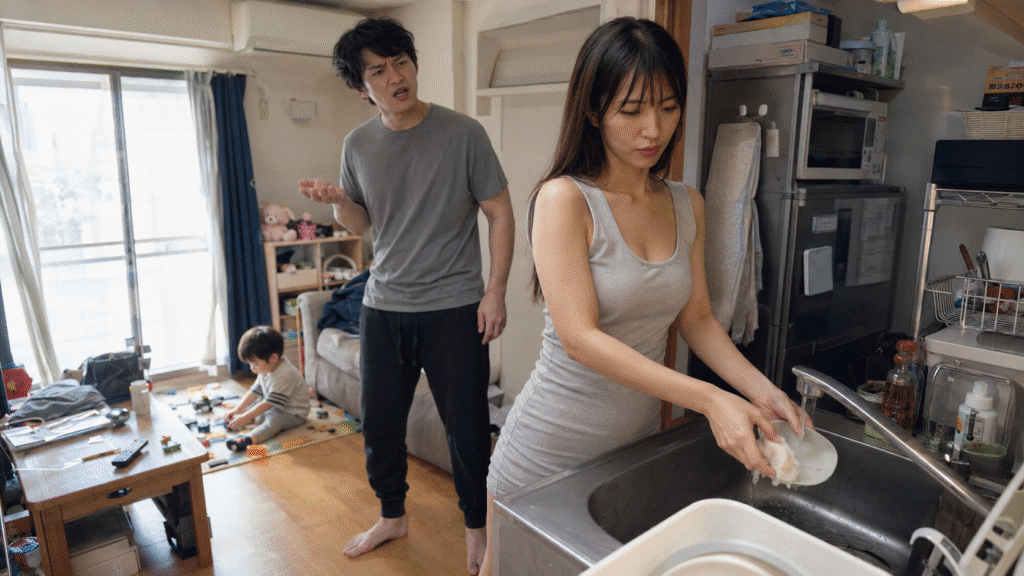
์ผ๋ณธ์ ํ๋ถ๋ชจ ์ธ๋๋ ์ฝ 120๋ง ์ธ๋ ๊ท๋ชจ์ ๋๋ค. ๊ทธ์ค ์๋์ ๋ค์๊ฐ ๋ชจ์(ๆฏๅญ) ๊ฐ์ ์ด์์. ๊ทธ๋ฐ๋ฐ ์ด ํต๊ณ์์ ์ธ๊ตญ์ธ๋ค์ด ๊ฐ์ฅ ๋๋ผ๋ ์ซ์๊ฐ ๋ฐ๋ก ์์ต๋๋ค. ๋ฐ๋ก ํ๋ถ๋ชจ ์ธ๋์ ์๋์ ๋น๊ณค์จ์ด 44.5%๋ผ๋ ์ ์ด์์. OECD ์ ์ง๊ตญ ์ค์์๋ ์ต์์๊ถ์ ๋๋ค. ์ผ๋ณธ์ฒ๋ผ ์์ฌ๋ ๋๋ผ์์ ํ๋ถ๋ชจ ๊ฐ์ ๋ ์ค ํ๋๊ฐ ๋น๊ณค์ ์๋๋ผ๋ ๊ฑด ์ฝ๊ฒ ๋ฉ๋์ด ์ ๋๋ ์์น์ฃ .
๋ ๋๋ผ์ด ๊ฑด ์ทจ์ ๋ฅ ์ ๋๋ค. ์ผ๋ณธ ์ฑ๊ธ๋ง์ ์ทจ์ ๋ฅ ์ 80%๋ฅผ ํ์ฉ ๋์ต๋๋ค. ์ผ์ ์ ํด์ ๊ฐ๋ํ ๊ฒ ์๋๋ผ, ์ผ์ ํด๋ ๊ฐ๋ํ ๊ตฌ์กฐ๋ผ๋ ๋ป์ด์์. ์ด์ ๋ ๊ณ ์ฉ ํํ์ ์์ต๋๋ค. ์๋น์๊ฐ ํํธยท์๋ฅด๋ฐ์ดํธยท๊ณ์ฝ์ง ๊ฐ์ ๋น์ ๊ท์ง์ ๋ชฐ๋ ค ์๊ณ , ์ด ์๋ฆฌ๋ค์ ์๊ธ์ ๋์์ง ์์๋ ์์ฌ๊ธ๊ณผ ํด์ง๊ธ, ์น์ง์ด ์์ต๋๋ค. ์ฐ๋ด์ผ๋ก ํ์ฐํ๋ฉด ์ ๊ท์ง๊ณผ ๋ ๋ฐฐ ๊ฐ๊น์ด ๋ฒ์ด์ ธ์.
์์ก๋น๋ฅผ ๋ชป ๋ฐ๋ ๋๋ผ
์ฌ๊ธฐ์ ๊ฒฐ์ ํ๊ฐ ํ๋ ๋ ์์ต๋๋ค. ์ผ๋ณธ์ ์ดํผ ํ ์์ก๋น๋ฅผ ์ค์ ๋ก ๊ณ์ ๋ฐ๊ณ ์๋ ๋น์จ์ด 30%์ ๋ชป ๋ฏธ์นฉ๋๋ค. ์ด ๋ช ์ค ์ผ๊ณฑ์ ์ ๋จํธ์๊ฒ์ ํ ํผ๋ ๋ชป ๋ฐ๊ฑฐ๋, ์ฒ์ ๋ช ๋ฌ๋ง ๋ฐ๋ค๊ฐ ๋๊ธด๋ค๋ ์๊ธฐ์์.
์ ์ด๋ด๊น์. ์ผ๋ณธ์ ์ค๋ซ๋์ ์ดํผ์ ๋น์ฌ์๋ผ๋ฆฌ ์๋ฅ ํ ์ฅ์ผ๋ก ๋๋ด๋ ํ์์ดํผ ์ค์ฌ์ผ๋ก ์ฒ๋ฆฌํด ์์ต๋๋ค. ์์ก๋น ์ก์๋ ์ง๊ธ ๋ฐฉ๋ฒ์ ๊ณต์ ์ฆ์๋ก ๋จ๊ธฐ์ง ์๊ณ ๊ตฌ๋ ์ฝ์๋ง ํ๊ณ ํค์ด์ง๋ ๊ฒฝ์ฐ๊ฐ ๋ง์์ด์. ์ฝ์์ด ๊นจ์ ธ๋ ๊ฐ์ ํ ๊ทผ๊ฑฐ๊ฐ ์์ผ๋, ๊ฒฐ๊ตญ ๋ฐ์๋ด๋ ค๋ฉด ๋ฒ์์ ๊ฑฐ์ณ์ผ ํ๋๋ฐ ๊ทธ ๋น์ฉ๊ณผ ์๊ฐ์ ๊ฐ๋นํ ์ฌ์ ๊ฐ ์๋ ๊ฒ๋๋ค. ์ต๊ทผ ๋ช ๋ ์ฌ์ด ์ ๋ ๊ฐ์ ๋ ผ์๊ฐ ํ๋ฐํด์ก์ง๋ง, ์ด๋ฏธ ์ดํผํ ์ธ๋์๊ฒ๋ ๋ฆ์ ์ด์ผ๊ธฐ์ฃ .

๊ทธ๋์ ๋ฐค์ด ์์ต๋๋ค
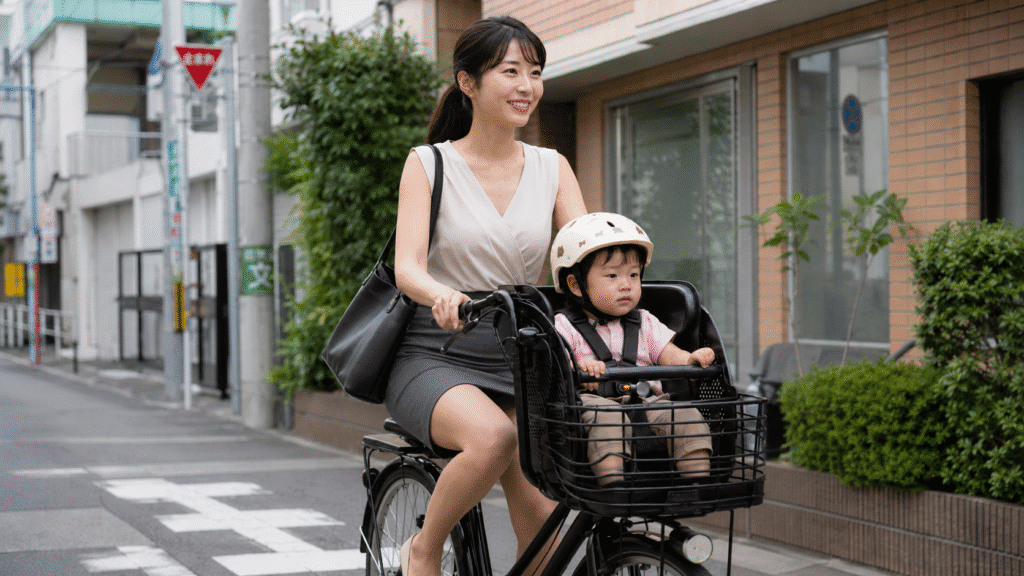
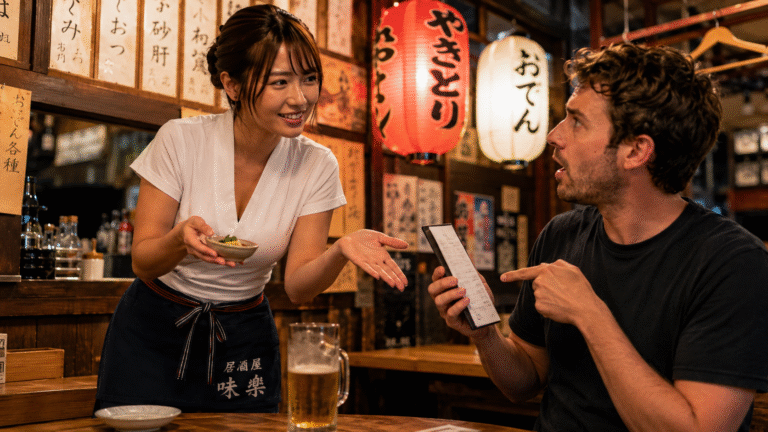
๋ฎ์ ์ฌ๋ฌด ํํธ๋ก ์ผํ๊ณ , ์์ด๋ฅผ ์ฌ์ด ๋ค ๋ฐค์ ํ ๋ฒ ๋ ์ผํ๋ ์ฌ๋์ด ์ ์ง ์์ต๋๋ค. ํธ์์ , ์ํผ ์ผ๊ฐ, ์ด์์นด์ผ ํ, ์ค๋ต๋ฐ ์นด์ดํฐ. ์ผ๋ณธ์ ์ฌ์ผ ์๊ฐ๋(๋ฐค 10์~์๋ฒฝ 5์)์ 25% ํ ์ฆ ์๊ธ์ด ๋ถ๊ธฐ ๋๋ฌธ์, ๊ฐ์ ์๊ฐ์ ์ผํด๋ ๋ฐค์ด ํ์คํ ์ ๋ฆฌํด์. ์๊ธ 1,200์์ง๋ฆฌ ์ผ์ด ๋ฐค์๋ 1,500์์ด ๋ฉ๋๋ค.
์ ๊ฐ ๋ง๋ 33์ธ ์ฑ๊ธ๋ง์ ์ด๋ ๊ฒ ๋งํ์ต๋๋ค. “๋ฎ์ 8์๊ฐ ์ผํด์ 15๋ง ์์ธ๋ฐ, ๋ฐค์ ์ฃผ 3ํ๋ง ๋ ๋๊ฐ๋ฉด 5๋ง ์์ด ๋ ๋ถ์ด์. ๊ทธ 5๋ง ์์ด ์์ด ํ์๋น์์.” ํ๋ คํ ์ด์ผ๊ธฐ๋, ๋น๊ทน์ ์ธ ์ด์ผ๊ธฐ๋ ์๋๋๋ค. ๊ทธ๋ฅ ๊ณ์ฐ์ด ๊ทธ๋ ๊ฒ ๋์ค๋ ๊ฒ๋๋ค.
๐ with โ ์ฌ๋ฆฌํ ์คํธ ๊ธฐ๋ฐ ๋งค์นญ์ฑ
์ผ๋ณธ์ ์ง์ ์ ๋๋ ์๊ฐ๋ณด๋ค ์ด์ดํฉ๋๋ค
๋ค๋ง ์ผ๋ณธ์ด ์ ๋๊ณ ์๋ ๊ฑด ์๋๋๋ค. ํ๋ถ๋ชจ ๊ฐ์ ์ ๋ฐ์น๋ ์ ๋๊ฐ ๊ฝค ์์ด์.
์๋๋ถ์์๋น(ๅ ็ซฅๆถ้คๆๅฝ)์ ์๋์ ๋ฐ๋ผ ๋งค๋ฌ ํ๊ธ์ด ๋์ต๋๋ค. ์ฒซ์งธ ๊ธฐ์ค ์ ์ก ์ง๊ธ์ด๋ฉด ์ 4๋ง ์๋ ์ค๋ฐ, ๋์งธยท์ ์งธ๋ ๊ฐ์ฐ์ด ๋ถ์ด์. ํ๋ถ๋ชจ ๊ฐ์ ์๋ฃ๋น ์กฐ์ฑ์ผ๋ก ๋ณธ์ธ๊ณผ ์์ด์ ๋ณ์๋น ์๊ธฐ๋ถ๋ด์ด ๊ฑฐ์ ์ฌ๋ผ์ง๊ณ , ์ง์์ฒด์ ๋ฐ๋ผ ์๋์๊ธ ๊ฐ๋ฉด, ๊ตํต๋น ํ ์ธ, ๊ณต์์ฃผํ ์ฐ์ ์ ์ฃผ๊น์ง ๋ถ์ต๋๋ค. ์ฌ๊ธฐ์ ๊ณ ๋ฑ์ง์ ํ๋ จ์ด์ง๊ธ๋ถ๊ธ์ด๋ผ๊ณ ํด์, ๊ฐํธ์ฌ๋ ๋ณด์ก์ฌ ์๊ฒฉ์ฆ์ ๋ฐ๋ ๋์ ์ํ๋น๋ฅผ ์ง์ํด ์ฃผ๋ ์ ๋๋ ์์ด์.
์ฆ ์ผ๋ณธ ์ฑ๊ธ๋ง์ ํ์ค์ “๊ฐ๋ํ์ง๋ง ๋ฐฉ์น๋์ง๋ ์์” ์ํ์ ๊ฐ๊น์ต๋๋ค. ๋ฐ๋ฅ์ ์๋๋ฐ, ๊ทธ ๋ฐ๋ฅ์์ ์๋ก ์ฌ๋ผ๊ฐ๋ ์ฌ๋ค๋ฆฌ๊ฐ ๊ฐํ๋ฅธ ๊ฑฐ์ฃ .

์ ๊ทธ๋ ๋ค์ด ์ ๋ ๋งค๋ ฅ์ ์ผ๋ก ๋ณด์ผ๊น
์ด์ ์ฒ์ ์ง๋ฌธ์ผ๋ก ๋์๊ฐ ๋ด ์๋ค. ์ ์ผ๋ณธ ๋งค์นญ์ฑ์ ์ฑ๊ธ๋ง๋ค์ด ์ ๋ ๋์ ๋ฐํ๊น์.
์ฒซ์งธ, ์ ๋ฐํจ์ด ์์ต๋๋ค. ์์์ ๋ณธ ๊ฒ์ฒ๋ผ ์ต์ํ์ ์ ๋๊ฐ ๋ฐ์ณ์ฃผ๊ธฐ ๋๋ฌธ์, ๋จ์์๊ฒ ์๊ณ๋ฅผ ์ํํ๊ฒ ๋ค๋ ํ๋๊ฐ ๊ฑฐ์ ์์ด์. ๋ง๋๋ฉด “์ด ์ฌ๋์ด ๋๋ฅผ ๋จน์ฌ์ด๋ฆด๊น”๊ฐ ์๋๋ผ “์ด ์ฌ๋๊ณผ ์์ผ๋ฉด ์ฆ๊ฑฐ์ด๊ฐ”๋ฅผ ๋ด ๋๋ค. ์ด ์จ๋ ์ฐจ์ด๊ฐ ๋ํ์์ ๋ฐ๋ก ๋๊ปด์ง๋๋ค.
๋์งธ, ์๊ฐ์ด ๊ทํฉ๋๋ค. ์์ด๋ฅผ ๋งก๊ธฐ๊ณ ๋์จ ๋์ธ ์๊ฐ์ด ๊ทธ ์ฃผ์ ์ ์ผํ ์๊ธฐ ์๊ฐ์ธ ์ฌ๋์๊ฒ, ์๋ฏธ ์๋ ๋ฐ๋น์ ์ฌ์น์์. ๊ทธ๋์ ๋ํ๊ฐ ๋น ๋ฅด๊ณ ์์งํฉ๋๋ค. ์ข์ผ๋ฉด ์ข๋ค๊ณ , ์๋๋ฉด ์๋๋ผ๊ณ ๋งํฉ๋๋ค.
์ ์งธ, ์ํ์ด ๋ชธ์ ๋ฐฐ์ด ์์ต๋๋ค. ์์นจ์ ๋์๋ฝ์ ์ธ๊ณ ๋ฐค์ ๊ณ์ฐ๊ธฐ๋ฅผ ๋๋๋ ค ๋ณธ ์ฌ๋ ํน์ ์ ๋จ๋จํจ์ด ์์ด์. ํ๋ คํ์ง ์์ง๋ง ํ๋ค๋ฆฌ์ง ์๋ ๋๋. 20๋์ ๋ฐ์ง์๊ณผ๋ ๋ค๋ฅธ ์ข ๋ฅ์ ๋งค๋ ฅ์ ๋๋ค.

๋ง์น๋ฉฐ โ ์ฌ์ฐ์ด ์๋๋ผ ์ฌ๋
“์ฑ๊ธ๋ง”์ด๋ผ๋ ๋จ์ด์๋ ์ด์ํ๊ฒ ์ฌ์ฐ์ด ๋จผ์ ๋ฐ๋ผ๋ถ์ต๋๋ค. ํ์ง๋ง ์ค๋ ์ดํด๋ณธ ๊ฑด ์ฌ์ฐ์ด ์๋๋ผ ๊ตฌ์กฐ์์ด์. ๋น๊ณค์จ 44.5%, ์์ก๋น ์๋ น๋ฅ 30% ๋ฏธ๋ง, ์ฌ์ผ 25% ํ ์ฆ, ๊ทธ๋ฆฌ๊ณ ๊ทธ ์ฌ์ด๋ฅผ ๋ฉ์ฐ๋ ์ ๋๋ค. ๊ทธ ์ซ์๋ค ์์์ ๊ฐ์์ ๋ฐฉ์์ผ๋ก ๋ฒํฐ๊ณ ์๋ ์ฌ๋๋ค์ด ์์ ๋ฟ์ ๋๋ค.
๊ทธ๋ฌ๋ ์ฑ์์ ๊ทธ ํ๋กํ์ ๋ดค์ ๋ “์ฌ์ฐ ์๋ ์ฌ์”๋ก ์ฝ์ง ๋ง์ธ์. ๊ทธ๋ฅ ์์นจ์ ๋์๋ฝ ์ธ๊ณ ๋ฐค์ ๊ณ์ฐ๊ธฐ ๋๋๋ฆฌ๋, ์กฐ๊ธ ๋ฐ์ ์ฌ๋์ ๋๋ค. ๊ทธ ์ฌ์ค์ ์๊ณ ๋ณด๋ฉด ๋ํ์ ๊ฒฐ์ด ์์ ํ ๋ฌ๋ผ์ง๋๋ค.
์ด ์ด์ผ๊ธฐ์ ๊ณต๊ธฐ๋ ๊ธ๋ณด๋ค ์์์์ ๋ ์์ํฉ๋๋ค. ์ ์นด๋ฉ๋ผ์ ๋ด๊ธด ์ผ๋ณธ์ ์ฌ๋๋ค๊ณผ ์ด์ผ๊ธฐ๋ ์ ํ๋ธ ParkPD Studio์์, ๋ณธํธ์ ๋ด์ง ๋ชปํ ๋นํ์ธ๋๋ ํจํธ๋ฆฌ์จ์์ ์ด์ด์ง๋๋ค.
๐ ์ด๋ฒ ๊ธ์ ์ถ์ฒ ๋งํฌ
๐ Pairs๏ผใใขใผใบ๏ผ
๐ with
๐๏ธ ํ์๋
ธ๋์ฑ ์ ๊ตญํ๋ถ๋ชจ์ธ๋๋ฑ์กฐ์ฌ
์ถ์ฒ: ํ์๋ ธ๋์ฑ ์ ๊ตญํ๋ถ๋ชจ์ธ๋๋ฑ์กฐ์ฌ / MHLW
Scroll through a Japanese dating app long enough and you start noticing a certain kind of profile. The photo is neat and understated, and somewhere in the bio there is a single line: “I have a child.” Foreign users usually pause right there. Why are there so many single mothers on Japanese apps, and why do they seem so unbothered about it? Today we answer that with statistics, welfare policy, and a conversation I had in Tokyo.

The numbers behind Japanese single motherhood
Japan has roughly 1.2 million single-parent households, and the overwhelming majority are mother-and-child households. One figure shocks almost every foreigner who sees it: the relative poverty rate for single-parent households is 44.5% โ among the worst in the developed world. In a country as wealthy as Japan, nearly one in two single-parent families living below the poverty line is hard to accept at first glance.
What makes it stranger is the employment rate. More than 80% of Japanese single mothers work. They are not poor because they are idle; they are poor despite working. The reason is contract type. A large share are locked into part-time, contract, or dispatch positions โ jobs with decent hourly pay but no bonuses, no severance, and no promotion ladder. Annualized, the gap against a regular employee can approach double.
A country where child support rarely arrives
Then comes the decisive blow. In Japan, fewer than 30% of divorced mothers are still receiving child support. Seven out of ten get nothing, or get payments for a few months before they stop.
The cause is structural. Japan has long processed divorce through kyogi rikon โ a mutual-consent divorce completed by submitting a single form. Many couples never record the amount or method of child support in a notarized document; they simply agree verbally and part ways. When the promise breaks, there is nothing to enforce. Pursuing it means family court, and court means money and time that a working single mother does not have. Reform has been debated actively in recent years, but that is cold comfort for those already divorced.

Which is why the night shift exists
Plenty of them work an office part-time job by day, put the child to bed, and go back out at night โ convenience stores, supermarket night stocking, izakaya floors, snack bar counters. Japanese labor law adds a 25% late-night premium between 10 p.m. and 5 a.m., so the same hour of work simply pays more after dark. A 1,200-yen job becomes 1,500 yen.
A 33-year-old single mother I met put it plainly: “Eight hours a day gets me 150,000 yen. Three nights a week adds another 50,000. That 50,000 is my kid’s cram school.” Not a tragedy, not a scandal. Just arithmetic.
The safety net is denser than you think
Japan is not doing nothing. The support structure for single parents is fairly extensive.
The Child Rearing Allowance pays monthly cash on an income-tested basis โ mid-40,000 yen range per month for the first child at full payment, with additions for the second and third. Single-parent medical subsidies reduce hospital costs for mother and child to almost nothing, and depending on the municipality you may also get water bill reductions, transit discounts, and priority access to public housing. There is even a vocational training benefit that covers living costs while you study for a nursing or childcare license.
So the honest description of Japanese single motherhood is “poor, but not abandoned.” There is a floor. The ladder up from that floor is just very steep.

Why they come across as so attractive
Back to the opening question. Why do these profiles hold your attention?
First, there is no desperation. Because a minimum safety net exists, almost none of them are looking for a man to fund their life. On a date the question is not “can this person support me” but “do I enjoy being here.” You feel that difference within ten minutes of conversation.
Second, time is expensive. When the two hours you bought with a babysitter are the only hours of the week that belong to you, playing games is a luxury. Conversation gets fast and direct. If she likes you, she says so. If she doesn’t, she says that too.
Third, life has settled into them. There is a particular steadiness in someone who packs a lunchbox at 7 a.m. and runs the numbers at midnight. Not flashy โ unshakeable. It is a different category of appeal from a sparkling 24-year-old.

Closing โ a person, not a backstory
The word “single mother” drags a backstory behind it. But what we actually looked at today was structure: a 44.5% poverty rate, a sub-30% child support collection rate, a 25% night premium, and the policies filling the gaps between them. On top of those numbers are people holding their lives together in their own way, and smiling while they do it.
So when that profile comes up, don’t read “a woman with a story.” Read a slightly busy person who packs a bento in the morning and runs numbers at night. Once you see it that way, the entire tone of the conversation changes.
The texture of this story comes through far better on camera than on the page. The people and stories I film across Japan continue on ParkPD Studio, with behind-the-scenes on Patreon.
๐ Links from this article
๐ Pairs๏ผใใขใผใบ๏ผ
๐ with
๐๏ธ MHLW National Survey on Single-Parent Households
Sources: MHLW National Survey on Single-Parent Households / MHLW
ๅจๆฅๆฌ็ไบคๅ่ฝฏไปถไธๅทไน ไบ๏ผไฝ ไผๆณจๆๅฐไธ็ฑป็นๅซ็่ตๆใ็ ง็ๅนฒๅๅฉ่ฝ๏ผ็ฎไป้ๅดๆไธ่กๅญ๏ผใๆๆๅญฉๅญใใๅคๅฝ็จๆทๅพๅพๅจ่ฟ้ๅ้กฟไธไธใไธบไปไนๆฅๆฌ็ๅไบฒๅฆๅฆ่ฟไนๅค๏ผ่ไธ็่ตทๆฅๆฏซไธ้ฎๆฉ๏ผไปๅคฉๆไปฌ็จ็ป่ฎกๆฐๆฎใ็ฆๅฉๅถๅบฆ๏ผไปฅๅๆๅจไธไบฌ็ไธๆฌก้ขๅฏน้ขๅฏน่ฏๆฅๅ็ญใ

ๆฐๅญ้็ๆฅๆฌๅไบฒๅฆๅฆ
ๆฅๆฌ็บฆๆ120ไธๅไบฒๅฎถๅบญ๏ผๅ ถไธญ็ปๅคงๅคๆฐๆฏๆฏๅญๅฎถๅบญใๆไธไธชๆฐๅญๅ ไน่ฎฉๆๆๅคๅฝไบบ้ๆ๏ผๅไบฒๅฎถๅบญ็็ธๅฏน่ดซๅฐ็้ซ่พพ44.5%๏ผๅจๅ่พพๅฝๅฎถไธญไฝๅฑ ๅๅใๅจๆฅๆฌ่ฟๆ ทๅฏ่ฃ็ๅฝๅฎถ๏ผๆฏไธคไธชๅไบฒๅฎถๅบญๅฐฑๆไธไธช็ๆดปๅจ่ดซๅฐ็บฟไปฅไธ๏ผ็ฌฌไธ็ผ็กฎๅฎ้พไปฅ็ฝฎไฟกใ
ๆดๅฅๆช็ๆฏๅฐฑไธ็ใๆฅๆฌๅไบฒๅฆๅฆ็ๅฐฑไธ็่ถ ่ฟ80%ใๅฅนไปฌไธๆฏๅ ไธบไธๅทฅไฝ่่ดซๅฐ๏ผ่ๆฏๅทฅไฝไบไพ็ถ่ดซๅฐใๅๅ ๅจไบ้ไฝฃๅฝขๆโโๅคง้ไบบ้ไธญๅจๅ ผ่ใๅๅๅทฅใๆดพ้ฃๅฒไฝไธใ่ฟ็ฑปๅทฅไฝๆถ่ชไธ็ฎๅทฎ๏ผๅดๆฒกๆๅฅ้ใๆฒกๆ้่้ใๆฒกๆๅ่ฟ้้ใๆข็ฎๆๅนดๆถๅ ฅ๏ผไธๆญฃๅผๅๅทฅ็ๅทฎ่ทๆฅ่ฟไธๅใ
ไธไธชๆฟไธๅฐๆๅ ป่ดน็ๅฝๅฎถ
่ฟๆ่ดๅฝไธๅปใๅจๆฅๆฌ๏ผ็ฆปๅฉๅไปๆ็ปญ้ขๅฐๆๅ ป่ดน็ๆฏไพไธ่ถณ30%ใๅไธชไบบ้ๆไธไธชไธๅ้ฑ้ฝๆฟไธๅฐ๏ผๆ่ ๅช้ขไบๅ ไธชๆๅฐฑๆญไบใ
ๅๅ ๆฏๅถๅบฆๆง็ใๆฅๆฌ้ฟๆไปฅๅ่ฎฎ็ฆปๅฉไธบไธปโโๅคซๅฆปๅๆนๆไบคไธๅผ ่กจๆ ผๅฐฑ่ฝๅฎๆใๅพๅคไบบไปๆชๆๆๅ ป่ดน็้้ขๅๆฏไปๆนๅผๅ่ฟๅ ฌ่ฏไนฆ๏ผๅชๆฏๅฃๅคด็บฆๅฎๅๅๅฅไธ่ฅฟใ็บฆๅฎ็ ด่ฃๆถๆฒกๆๅผบๅถๆง่ก็ไพๆฎ๏ผ่ฆ่ฟฝ่ฎจๅฐฑๅพ่ตฐๅฎถไบๆณๅบญ๏ผ่่ฏ่ฎผ็ๆถ้ดๅ่ดน็จๆญฃๆฏๆๅทฅ็ๅไบฒๅฆๅฆๆ็ผบ็ใ่ฟๅนดๅถๅบฆๆน้ฉ่ฎจ่ฎบ็ญ็๏ผไฝๅฏนๅทฒ็ป็ฆปๅฉ็ไบบๆฅ่ฏดไธบๆถๅทฒๆใ

ๆไปฅๆๆไบๅคๆ
ไธๅฐไบบ็ฝๅคฉๅๅๅ ฌๅฎคๅ ผ่๏ผๅๅญฉๅญ็กไธๅๅค้ๅๅบ้จๅทฅไฝโโไพฟๅฉๅบใ่ถ ๅธๅค้ด็่ดงใๅฑ ้ ๅฑๅคงๅ ใๅฐ้ ๅงๅงๅฐใๆฅๆฌๆณๅพ่งๅฎๆทฑๅคๆถๆฎต๏ผ22็น่ณๆฌกๆฅ5็น๏ผๅ ็ฎ25%็ๅคๅคๆดฅ่ดด๏ผๅๆ ท็ไธๅฐๆถ๏ผๅค้ๅฐฑๆฏๆดๅผ้ฑใๆถ่ช1,200ๆฅๅ ็ๅทฅไฝ๏ผๅฐไบๅค้ๅๆ1,500ๆฅๅ ใ
ๆ่งๅฐ็ไธไฝ33ๅฒๅไบฒๅฆๅฆ่ฏดๅพๅพ็ด็ฝ๏ผใ็ฝๅคฉๅทฅไฝ8ๅฐๆถๆฏ15ไธๆฅๅ ๏ผๆไธไธๅจๅคไธไธๆฌก๏ผๅฐฑๅคๅบ5ไธใ่ฟ5ไธๆฏๅญฉๅญ็่กฅไน ่ดนใใไธๆฏๆฒๅง๏ผไนไธๆฏ็ๅฅ๏ผๅชๆฏ็ฎๆฏใ
๐ with โ ๅบไบๅฟ็ๆต่ฏ็ไบคๅ่ฝฏไปถ
ๆฅๆฌ็ๆฏๆดๅถๅบฆๆฏๆณ่ฑกไธญ็ปๅฏ
ๆฅๆฌๅนถ้ๆพไปปไธ็ฎก๏ผๆถๆๅไบฒๅฎถๅบญ็ๅถๅบฆๅ ถๅฎ็ธๅฝๅฎๆดใ
ๅฟ็ซฅๆๅ ปๆดฅ่ดดๆๆถๅ ฅๅๆพ็ฐ้๏ผ็ฌฌไธไธชๅญฉๅญๅ จ้ขๆถๆฏๆ4ไธๆฅๅ ไธญๆฎต๏ผ็ฌฌไบใ็ฌฌไธไธชๅญฉๅญๅฆๆๅ ็ฎใๅไบฒๅฎถๅบญๅป็่ดน่กฅๅฉ่ฎฉๆฏๅญ็ๅฐฑๅป่ชไปๅ ไนๅฝ้ถ๏ผๆ นๆฎ่ชๆฒปไฝไธๅ๏ผ่ฟๅฏ่ฝๆๆฐด่ดนๅๅ ใไบค้่ดนๆๆฃใๅ ฌ่ฅไฝๅฎ ไผๅ ๅ ฅไฝใๆญคๅค่ฟๆ้ซ็ญ่ไธ่ฎญ็ปไฟ่ฟ็ปไป้โโๅจ่ๅๆคๅฃซๆไฟ่ฒๅฃซ่ตๆ ผๆ้ด๏ผๆฟๅบ่กฅ่ดด็ๆดป่ดนใ
ๆไปฅๆดๅ็กฎ็ๆ่ฟฐๆฏ๏ผใ่ดซๅฐ๏ผไฝๆฒกๆ่ขซๆๅผใใๆๅบ็บฟๅจ๏ผๅชๆฏไปๅบ็บฟๅพไธ็ฌ็ๆขฏๅญ้ๅธธ้กใ

ไธบไปไนๅฅนไปฌๆ ผๅคๆ้ญ ๅ
ๅๅฐๅผๅคด็้ฎ้ขใไธบไปไน่ฟไบ่ตๆๆ ผๅคๅธๅผ็ฎๅ ๏ผ
็ฌฌไธ๏ผๆฒกๆๆฅ่ฟซๆใๅ ไธบๆไฝ้ๅบฆ็ๅถๅบฆๆ็๏ผๅฅนไปฌๅ ไนไธๆๆ้ ็ทไบบ่ฟๆดปใ่ง้ขๆถๆณ็ไธๆฏใ่ฟไธชไบบ่ฝไธ่ฝๅ ปๆใ๏ผ่ๆฏใๅ่ฟไธชไบบๅจไธ่ตทๅผๅฟๅใใ่ฟ็งๆธฉๅบฆๅทฎ๏ผ่ๅๅ้ๅฐฑ่ฝๆ่งๅฐใ
็ฌฌไบ๏ผๆถ้ดๅพ่ดตใๅฝๆไบบ็ๅญฉๅญๆขๆฅ็ไธคๅฐๆถๆฏไธๅจ้ๅฏไธๅฑไบ่ชๅทฑ็ๆถ้ด๏ผๆงๆงๆๆฏๅฐฑๆฏๅฅขไพใๆไปฅๅฏน่ฏ็ดๆฅ่่ฟ ้๏ผๅๆฌขๅฐฑ่ฏดๅๆฌข๏ผไธๅ้ๅฐฑๆ่ฏดใ
็ฌฌไธ๏ผ็ๆดปๅทฒ็ป้ฟ่ฟ่บซไฝ้ใๆฉไธไธ็น่ฃ ไพฟๅฝใๅๅคๆ่ฎก็ฎๅจ็ไบบ๏ผๆไธ็ง็นๅซ็็จณใไธๅไธฝ๏ผไฝไธไผๆๆใ่ฟๆฏๅไบๅๅๅฒ็้ชไบฎๅฎๅ จไธๅ็ฑปๅ็้ญ ๅใ

็ป่ฏญ โ ๆฏไบบ๏ผไธๆฏๆ ไบ
ใๅไบฒๅฆๅฆใ่ฟไธช่ฏๅ้ขๆปๆ็ไธไธชๆ ไบใไฝไปๅคฉๆไปฌ็็ๅ ถๅฎๆฏ็ปๆ๏ผ44.5%็่ดซๅฐ็ใไธ่ถณ30%็ๆๅ ป่ดน้ขๅ็ใ25%็ๆทฑๅคๅ ็ฎ๏ผไปฅๅๅกซ่กฅๅ ถ้ด็ๅ้กนๅถๅบฆใๅจ่ฟไบๆฐๅญไนไธ๏ผๅชๆฏไธ็พค็จ่ชๅทฑ็ๆนๅผๆไฝ็ๆดปใๅนถไธ่ฟ็ฌๅพๅบๆฅ็ไบบใ
ๆไปฅๅฝ้ฃไปฝ่ตๆๅบ็ฐๆถ๏ผๅซ่ฏปๆใๆๆ ไบ็ๅฅณไบบใใ่ฏปๆไธไธชๆฉไธ่ฃ ไพฟๅฝใๆไธๆ่ฎก็ฎๅจใๆ็นๅฟ็ไบบใ่ฟๆ ทไธๆณ๏ผๅฏน่ฏ็่ดจๅฐไผๅฎๅ จไธๅใ
่ฟไธชๆ ไบ็็ฉบๆฐ๏ผๅฝฑๅ่ฟๆฏๆๅญๆด็ๅฎใๆ้ๅคดไธ็ๆฅๆฌไบบ็ฉไธๆ ไบๅจ ParkPD Studio ็ปง็ปญ๏ผๆชๆถๅฝ็ๅนๅ่ฑ็ตฎๅจ Patreon ็ญไฝ ใ
๐ ๆฌๆๆจ่้พๆฅ
๐ Pairs๏ผใใขใผใบ๏ผ
๐ with
๐๏ธ ๅ็ๅณๅจ็ ๅ
จๅฝๅไบฒๅฎถๅบญ็ญ่ฐๆฅ
่ตๆๆฅๆบ: ๅ็ๅณๅจ็ ๅ จๅฝๅไบฒๅฎถๅบญ็ญ่ฐๆฅ / MHLW
ร force de faire dรฉfiler une application de rencontre japonaise, on finit par repรฉrer un certain type de profil. La photo est sobre et soignรฉe, et quelque part dans la bio, une seule ligne : ยซ J’ai un enfant. ยป Les utilisateurs รฉtrangers marquent souvent une pause ร cet endroit. Pourquoi y a-t-il autant de mรจres cรฉlibataires sur les applis japonaises, et pourquoi semblent-elles si peu gรชnรฉes ? Rรฉponse aujourd’hui, avec des statistiques, des dispositifs sociaux et une conversation que j’ai eue ร Tokyo.

Les chiffres derriรจre la monoparentalitรฉ japonaise
Le Japon compte environ 1,2 million de foyers monoparentaux, trรจs majoritairement des foyers mรจre-enfant. Un chiffre choque presque tous les รฉtrangers : le taux de pauvretรฉ relative des foyers monoparentaux atteint 44,5 %, parmi les pires des pays dรฉveloppรฉs. Dans un pays aussi riche, prรจs d’une famille monoparentale sur deux sous le seuil de pauvretรฉ, cela paraรฎt d’abord incomprรฉhensible.
Plus รฉtrange encore : le taux d’emploi. Plus de 80 % des mรจres cรฉlibataires japonaises travaillent. Elles ne sont pas pauvres faute de travailler, elles sont pauvres bien qu’elles travaillent. La cause tient au type de contrat : beaucoup occupent des postes ร temps partiel, en contrat court ou en intรฉrim โ un taux horaire correct, mais ni prime, ni indemnitรฉ de dรฉpart, ni promotion. Sur l’annรฉe, l’รฉcart avec un employรฉ permanent frรดle le double.
Un pays oรน la pension alimentaire n’arrive pas
Vient ensuite le coup dรฉcisif. Au Japon, moins de 30 % des mรจres divorcรฉes perรงoivent encore une pension alimentaire. Sept sur dix ne reรงoivent rien, ou voient les versements s’arrรชter au bout de quelques mois.
La cause est structurelle. Le Japon traite depuis longtemps le divorce par le kyogi rikon, un divorce par consentement mutuel bouclรฉ avec un simple formulaire. Beaucoup de couples n’inscrivent jamais le montant ni les modalitรฉs dans un acte notariรฉ : un accord oral, puis chacun sa route. Quand la promesse tombe, rien ne permet de l’exรฉcuter. Il faudrait passer par le tribunal des affaires familiales, avec le temps et l’argent que cela suppose. Les rรฉformes sont activement dรฉbattues depuis quelques annรฉes, mais cela ne console pas les divorcรฉes d’hier.

D’oรน le travail de nuit
Beaucoup enchaรฎnent un mi-temps de bureau le jour puis, une fois l’enfant couchรฉ, ressortent travailler la nuit : konbini, rรฉassort nocturne en supermarchรฉ, salle d’izakaya, comptoir de snack bar. La loi japonaise impose une majoration de 25 % entre 22 h et 5 h : la mรชme heure vaut simplement plus aprรจs la tombรฉe de la nuit. Un poste ร 1 200 yens passe ร 1 500 yens.
Une mรจre cรฉlibataire de 33 ans me l’a dit sans dรฉtour : ยซ Huit heures par jour, รงa fait 150 000 yens. Trois nuits par semaine en plus, รงa ajoute 50 000. Ces 50 000, c’est l’รฉcole du soir de mon fils. ยป Ni drame, ni scandale. De l’arithmรฉtique.
๐ with โ appli de rencontre basรฉe sur des tests de personnalitรฉ
Un filet social plus dense qu’on ne croit
Le Japon ne reste pas les bras croisรฉs. Le dispositif de soutien aux familles monoparentales est mรชme assez fourni.
L’allocation d’รฉducation de l’enfant verse une somme mensuelle sous condition de ressources โ autour de 45 000 yens pour le premier enfant ร taux plein, avec majoration pour les suivants. L’aide mรฉdicale monoparentale rรฉduit ร presque rien le reste ร charge pour la mรจre et l’enfant, et selon la commune s’ajoutent rรฉductions sur l’eau, tarifs de transport rรฉduits, prioritรฉ en logement public. Il existe mรชme une allocation de formation professionnelle qui couvre le quotidien pendant la prรฉparation d’un diplรดme d’infirmiรจre ou d’รฉducatrice.
La description honnรชte serait donc : ยซ pauvres, mais pas abandonnรฉes ยป. Le plancher existe. C’est l’รฉchelle qui en part qui est trรจs raide.

Pourquoi elles dรฉgagent autant de charme
Revenons ร la question de dรฉpart. Pourquoi ces profils retiennent-ils le regard ?
D’abord, aucune urgence. Puisqu’un socle minimal existe, presque aucune ne cherche un homme pour financer sa vie. En rendez-vous, la question n’est pas ยซ peut-il subvenir ร mes besoins ยป mais ยซ est-ce que je passe un bon moment ยป. Cette diffรฉrence de tempรฉrature se sent en dix minutes.
Ensuite, le temps coรปte cher. Quand les deux heures achetรฉes ร une baby-sitter sont les seules de la semaine qui vous appartiennent, les jeux de sรฉduction deviennent un luxe. La conversation est directe et rapide.
Enfin, la vie s’est dรฉposรฉe en elles. Il y a une soliditรฉ particuliรจre chez quelqu’un qui prรฉpare un bento ร 7 h et fait ses comptes ร minuit. Pas รฉclatant โ inรฉbranlable. Un tout autre registre que l’รฉclat d’une jeune femme de vingt-quatre ans.

Pour finir โ une personne, pas une histoire
Le mot ยซ mรจre cรฉlibataire ยป traรฎne toujours une histoire derriรจre lui. Or ce que nous avons regardรฉ aujourd’hui, c’est une structure : 44,5 % de pauvretรฉ, moins de 30 % de pensions perรงues, 25 % de majoration nocturne, et les dispositifs qui comblent les intervalles. Au-dessus de ces chiffres, il y a simplement des gens qui tiennent leur vie ร leur maniรจre, en souriant.
Alors quand ce profil apparaรฎt, ne lisez pas ยซ une femme avec un passรฉ ยป. Lisez quelqu’un d’un peu occupรฉ, qui prรฉpare un bento le matin et compte le soir. Vu ainsi, le ton de la conversation change du tout au tout.
L’atmosphรจre de cette histoire passe bien mieux ร l’image qu’ร l’รฉcrit. Les visages et les rรฉcits que je filme au Japon continuent sur ParkPD Studio, et les coulisses vous attendent sur Patreon.
๐ Liens de cet article
๐ Pairs๏ผใใขใผใบ๏ผ
๐ with
๐๏ธ MHLW โ Enquรชte nationale sur les foyers monoparentaux
Sources: MHLW โ Enquรชte nationale sur les foyers monoparentaux / MHLW
Si deslizas lo suficiente en una app de citas japonesa, acabas detectando cierto tipo de perfil. La foto es sobria y cuidada, y en algรบn punto de la biografรญa hay una sola lรญnea: ยซTengo un hijoยป. Los usuarios extranjeros suelen detenerse justo ahรญ. ยฟPor quรฉ hay tantas madres solteras en las apps japonesas y por quรฉ parecen tan poco incรณmodas con ello? Hoy lo respondemos con estadรญsticas, polรญticas sociales y una conversaciรณn que tuve en Tokio.

Las cifras de la maternidad en solitario en Japรณn
Japรณn tiene alrededor de 1,2 millones de hogares monoparentales, en su inmensa mayorรญa formados por madre e hijo. Hay un dato que impacta a casi todos los extranjeros: la tasa de pobreza relativa de los hogares monoparentales llega al 44,5 %, de las peores del mundo desarrollado. En un paรญs tan rico, casi una de cada dos familias monoparentales bajo el umbral de pobreza cuesta de creer.
Lo mรกs extraรฑo es la tasa de empleo. Mรกs del 80 % de las madres solteras japonesas trabaja. No son pobres por no trabajar: son pobres a pesar de trabajar. La causa estรก en el tipo de contrato. Muchas ocupan puestos a tiempo parcial, temporales o de empresa de trabajo temporal: sueldo por hora aceptable, pero sin bonus, sin indemnizaciรณn y sin ascensos. En cรณmputo anual, la brecha con un empleado fijo se acerca al doble.
Un paรญs donde la pensiรณn alimenticia no llega
Y llega el golpe definitivo. En Japรณn, menos del 30 % de las madres divorciadas sigue cobrando la pensiรณn de alimentos. Siete de cada diez no reciben nada, o dejan de recibirlo a los pocos meses.
La causa es estructural. Japรณn ha tramitado durante dรฉcadas el divorcio mediante el kyogi rikon, un divorcio de mutuo acuerdo que se completa presentando un simple formulario. Muchas parejas nunca dejan por escrito ante notario el importe ni la forma de pago: acuerdan de palabra y se separan. Cuando la promesa se rompe, no hay nada que ejecutar. Reclamar implica ir al tribunal de familia, con el tiempo y el dinero que eso exige. La reforma se debate con fuerza en los รบltimos aรฑos, pero eso no consuela a quien ya se divorciรณ.

Por eso existe el turno de noche
Muchas encadenan un empleo de oficina a media jornada por el dรญa y, tras acostar al niรฑo, salen a trabajar de noche: konbini, reposiciรณn nocturna en supermercados, sala de izakaya, barra de snack bar. La ley japonesa obliga a un recargo del 25 % entre las 22:00 y las 5:00, asรญ que la misma hora sencillamente vale mรกs de noche. Un puesto de 1.200 yenes pasa a 1.500.
Una madre soltera de 33 aรฑos me lo dijo sin rodeos: ยซOcho horas al dรญa son 150.000 yenes. Tres noches mรกs a la semana suman otros 50.000. Esos 50.000 son la academia de mi hijoยป. Ni drama ni escรกndalo: aritmรฉtica.
๐ with โ app de citas basada en tests de personalidad
La red de protecciรณn es mรกs tupida de lo que parece
Japรณn no se queda de brazos cruzados. El sistema de apoyo a familias monoparentales es bastante completo.
La prestaciรณn por crianza paga una cantidad mensual segรบn ingresos: en torno a 45.000 yenes por el primer hijo con importe completo, con complementos por el segundo y el tercero. La ayuda mรฉdica para familias monoparentales deja casi a cero el copago de madre e hijo y, segรบn el municipio, se aรฑaden descuentos en el agua, tarifas reducidas de transporte y prioridad en vivienda pรบblica. Existe incluso una ayuda de formaciรณn profesional que cubre la vida diaria mientras se estudia para enfermera o educadora infantil.
La descripciรณn honesta serรญa: ยซpobres, pero no abandonadasยป. El suelo existe. Lo que es muy empinada es la escalera para subir desde รฉl.

Por quรฉ resultan tan atractivas
Volvamos a la pregunta inicial. ยฟPor quรฉ estos perfiles retienen la mirada?
Primero, no hay urgencia. Como existe un mรญnimo garantizado, casi ninguna busca un hombre que le financie la vida. En una cita la pregunta no es ยซยฟpodrรก mantenerme?ยป sino ยซยฟlo estoy pasando bien?ยป. Esa diferencia de temperatura se nota a los diez minutos.
Segundo, el tiempo es caro. Cuando las dos horas compradas con una canguro son las รบnicas de la semana que te pertenecen, los juegos de seducciรณn son un lujo. La conversaciรณn se vuelve directa y rรกpida.
Tercero, la vida se les ha asentado dentro. Hay una firmeza particular en quien prepara un bento a las siete y hace cuentas a medianoche. No brilla: no se tambalea. Es un tipo de atractivo distinto al de una chica de veinticuatro.

Para terminar โ una persona, no un relato
La palabra ยซmadre solteraยป arrastra siempre un relato detrรกs. Pero lo que hemos mirado hoy es una estructura: 44,5 % de pobreza, menos del 30 % de pensiones cobradas, 25 % de recargo nocturno y las polรญticas que rellenan los huecos. Sobre esas cifras hay, simplemente, personas sosteniendo su vida a su manera y sonriendo mientras lo hacen.
Asรญ que cuando aparezca ese perfil, no leas ยซuna mujer con historiaยป. Lee a alguien algo ocupado, que prepara un bento por la maรฑana y echa cuentas por la noche. Visto asรญ, el tono entero de la conversaciรณn cambia.
El ambiente de esta historia se transmite mucho mejor en vรญdeo que por escrito. Las personas e historias que filmo en Japรณn continรบan en ParkPD Studio, y el detrรกs de cรกmaras te espera en Patreon.
๐ Enlaces de este artรญculo
๐ Pairs๏ผใใขใผใบ๏ผ
๐ with
๐๏ธ MHLW โ Encuesta nacional de hogares monoparentales
Fuentes: MHLW โ Encuesta nacional de hogares monoparentales / MHLW